
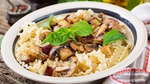
Pasta has earned a bit of a reputation over the years, and for many people, it’s something they try to avoid. But when approached with intention, it can form part of a balanced way of eating. Healthy pasta meals can be satisfying, practical, and supportive of long-term health, especially when combined with vegetables, whole grains, and protein sources (World Health Organization; FAO).
Building a more balanced pasta plate
Pasta is one of the most versatile ingredients to cook with, making it easy to adapt across different meals and flavours.
A balanced pasta dish usually includes:
- Vegetables for fibre, colour and nutrients
- Protein to support fullness and sustained energy
- Healthy fats for flavour and overall balance
By adding fibre, you help slow digestion and keep meals more satisfying, especially when pasta is combined with vegetables, beans or lentils. These added ingredients help turn simple dishes into more fibre-rich meals (Harvard T.H. Chan School of Public Health; British Nutrition Foundation).
Why pasta portion size still matters
One of the most common reasons pasta meals feel “too heavy” is simply the pasta portion size. It’s easy to over-serve, especially when pasta becomes the main feature on the plate. Larger portions mean a higher intake of carbohydrates in one sitting, often without enough fibre or protein to balance it out.
A helpful way to approach this is visually:
- Fill half your plate with vegetables
- Keep pasta to roughly a quarter
- Use the remaining portion for protein
This approach helps keep portions in check while still making meals satisfying. It also supports building more balanced meals with pasta, aligning with general healthy eating guidance that encourages balanced plate composition (South African Food-Based Dietary Guidelines).
Simple ways to improve your meals
When pasta is treated as a base rather than the main focus of the plate, it becomes a great opportunity to build a more nutrient-dense meal. You don’t have to change recipes or buy expensive ingredients. Small, practical additions can make a big difference:
- Add vegetables like spinach, mushrooms, carrots or peppers
- Stir in beans or pasta with lentils for extra texture and balance
- Include a source of protein such as chicken, eggs or legumes
- Use simple ingredients like olive oil, herbs and spices to build flavour
- Choose whole wheat pasta where available
- Use chicken or beef mince as a base and add vegetables
- Try pasta salads with vegetables, legumes and light dressings
- Lighten creamy sauces with stock or reserved pasta water
Over time, these changes help meals feel more satisfying and more consistent across your day (British Nutrition Foundation).
Making it work in everyday life
For most South Africans, time is limited and days are busy, which is why pasta is such a popular choice for family meals. It’s quick to cook, easy to store, and versatile enough to work across multiple meals.
It works just as well for quick weeknight dinners as it does for more prepared, balanced meals.
With a few easy adjustments to the way you cook, it’s easy to whip up quick healthy pasta meals:
- Dish slightly smaller portions and use leftovers for lunch
- Keep frozen vegetables on hand to add to your meals
- Use simple, flavourful ingredients instead of relying on heavy sauces
This way of thinking applies beyond pasta too. Small, consistent changes tend to work better than trying to change everything at once.
Simple, balanced pasta meal ideas
Healthy pasta meals don’t need to be complicated. Often, it’s about improving what you already enjoy. They can be easy, practical options for easy dinner ideas that fit into everyday life.
Here are a few easy healthy pasta recipes to try:
- Pasta Noodle Bake with Chicken and Mushrooms: A comforting chicken, mushroom and tomato-based pasta bake – easy to boost with extra veg or whole wheat pasta for added fibre.
- Vegan Mushroom and Lentil Bolognaise with Baby Marrow Noodles: A plant-forward take on bolognese using lentils and mushrooms that’s naturally higher in fibre and great for diet diversity.
- Spaghetti Bolognaise with Red Kidney Beans and Baby Spinach: A more balanced bolognese that includes beans and spinach for added fibre, nutrients and protein.
- Roasted Vegetables and Fresh Pesto Penne Pasta: A vegetable-led pasta dish that brings in colour, fibre and flavour – a great example of building meals around plants.
- Curried Mixed Vegetable Pasta Salad: A flavourful pasta salad with vegetables and mild curry spices – an easy way to add variety while keeping meals simple and satisfying.
These meals follow a consistent pattern: pasta remains part of the dish, but it’s no longer doing all the work on its own.
Building better habits over time
Pasta can still have a place on your plate, it’s just about how you build around it. Over time, healthy eating isn’t about getting everything perfect, but about being consistent. Small, manageable changes really do add up.
This content is for general information only and does not replace professional medical advice.
Sources
- World Health Organization. Healthy diet.
- FAO. Carbohydrates in human nutrition.
- Harvard T.H. Chan School of Public Health. The Nutrition Source: Carbohydrates and Fiber.
- British Nutrition Foundation. Fibre and health.
- South African Department of Health. Food-Based Dietary Guidelines.