
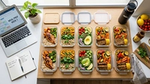
For many working professionals, the challenge of eating well is not a lack of knowledge, it’s a lack of time. Busy schedules, long commutes, and competing priorities often lead to last-minute food decisions, which tend to favour convenience over nutrition. Meal prep offers a practical way to shift this pattern by making healthier choices more consistent throughout the week.
What is meal prepping?
Meal prep is the process of planning and preparing food in advance so that meals are either ready to eat or quick to assemble. This approach reduces the need for daily cooking and helps create structure around your eating habits. Whether it involves preparing full meals or simply organising ingredients, the goal is to make nutritious choices feel easier and more consistent.
Why does it work?
One of the main benefits of meal prep is the way it supports better eating habits. Research shows that meal planning is associated with improved diet quality, including higher consumption of fruits and vegetables and reduced reliance on processed foods. By making decisions ahead of time, it becomes easier to avoid impulsive food choices that are often less nutritious.
Your guide to meal prepping
Step 1: Plan your meals
The process typically begins with planning. This involves deciding what meals will be eaten during the week and identifying the ingredients needed. Planning meals in advance helps ensure ingredients are used efficiently.
Start with a simple weekly plan:
- Begin with a three-day meal prep plan
- Choose two protein sources, two vegetable sources and one starch source
- Use overlapping ingredients
Step 2: Shop with intention
Create a shopping list based on your plan to:
- Avoid unnecessary purchases
- Reduce food waste
This part of your meal prep process ensures that your food waste is reduced due to the focused nature of what you’re trying to achieve nutritionally. You’re not buying food and ingredients for the sake of it; you’re buying to ensure maximum nutrition from minimal purchases.
Step 3: Prep in batches
Once a plan is in place, preparation can begin. This often involves cooking staple foods in batches. Grains such as rice, maize meal, or quinoa can be prepared in larger quantities and used across multiple meals. Similarly, proteins like chicken, beans, or lentils can be cooked ahead of time and incorporated into different dishes. Vegetables can be roasted, steamed, or chopped in advance, making them easier to include in meals throughout the week.
This approach allows for flexibility while still maintaining structure. Instead of eating the same meal every day, pre-prepared ingredients can be combined in different ways to create variety. For example, a base of rice and vegetables can be paired with different proteins or sauces, keeping meals interesting without requiring additional effort.
Balanced nutrition remains a key focus when meal prepping. A well-structured meal typically includes a combination of carbohydrates, protein, and vegetables. This helps provide sustained energy, supports overall health, and ensures meals are both satisfying and nourishing.
The added benefits of meal prepping
Another advantage of meal prep is the control it offers over ingredients. Preparing food at home allows for better management of salt, sugar, and fat intake—particularly important given the link between high sodium consumption and increased risk of high blood pressure and cardiovascular disease.
It also supports more mindful portion control and reduces reliance on last-minute food decisions, helping create a more consistent and sustainable approach to eating.
Added to this is the reduction in stress, allowing you to avoid last minute decisions because future-you is already taken care of.
The goal of meal prepping
Meal prep does not need to be all-or-nothing. Starting small is often the most effective approach. Preparing just a few meals or focusing on one part of the day, such as lunches, can be enough to build the habit. Over time, the process can be expanded as it becomes more familiar and manageable.
It is also important to keep the process realistic.
Choosing simple recipes, using familiar ingredients, and allowing for flexibility can make meal prep more sustainable. Remember, the goal is not to create a rigid system, but to develop a routine that fits into your lifestyle and remains manageable over time.
Storage
Proper storage is an essential part of successful meal prep and helps maintain both the safety of your food, as well as its quality throughout the week. Once meals or ingredients have been prepared, they should be cooled quickly and stored in airtight containers to preserve freshness and prevent contamination. Refrigeration keeps most meals safe for several days, while freezing can extend their shelf life for longer-term use. Labeling containers with preparation dates can also help ensure food is consumed at the right time. Planning storage carefully not only protects the nutritional value of meals but also reduces food waste and makes it easier to stay organised as the week progresses
Meal Prep Ideas
- Grain-based bowls
Build meals around a base like brown rice, quinoa, or pap, paired with roasted vegetables and either grilled chicken or beans. These can be easily rotated with different flavours to avoid repetition. - Lentil and bean curries
Curries made with lentils, chickpeas, or beans are ideal for batch cooking. They store well, reheat easily, and often develop richer flavour over time. - Roast-and-mix vegetable trays
Preparing a tray of roasted vegetables at the start of the week creates a versatile base that can be added to wraps, bowls, or side dishes without additional prep. - Wraps and filled pitas
Using pre-cooked proteins or vegetables, wraps can be assembled quickly for lunches. Adding fresh salad and a spread like hummus helps keep them balanced and satisfying. - Simple protein and starch combinations
Meals built around familiar staples—such as chicken with rice, pap with beans, or eggs with wholegrain toast—are easy to prepare in advance and provide consistent, balanced nutrition. - Breakfast options like overnight oats or egg muffins
Preparing breakfasts ahead of time removes the pressure from busy mornings. These options can be portioned and stored, making them convenient while still nutritious.
The way forward
Ultimately, meal prep helps turn good intentions into consistent habits. Without some level of planning, it’s easy to fall back on convenience-driven choices.
By preparing meals in advance, you create an environment where balanced, home-cooked options are readily available. Over time, this consistency supports a more sustainable approach to eating.
Sources