
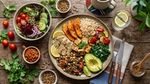
Healthy eating in South Africa is often framed as something complex or difficult to maintain. For many people, it can feel like a choice between convenience and nutrition. But in reality, a healthy diet is not about strict rules or expensive ingredients, it’s about making balanced, informed choices that fit into your everyday life
Let’s break down what healthy eating in South Africa really looks like - grounded in science but made practical for everyday life.
What does healthy eating actually mean?
At its core, healthy eating is about balance, variety, moderation, and adequacy. These principles form the foundation of both global nutrition guidance and South Africa’s own food-based dietary guidelines, which aim to help people make practical, sustainable food choices
That means:
- Eating enough nutrients to support your body
- Balancing carbohydrates, protein, and fats
- Limiting excess sugar, salt, and unhealthy fats
- Including a wide variety of foods across food groups
In South Africa, this is reinforced through official dietary guidelines. Rather than focusing on restriction, the emphasis is on building meals that are balanced and nourishing over time, encouraging people to:
- Enjoy a variety of foods
- Eat plenty of vegetables and fruit every day
- Include beans, lentils, and soya regularly
Why diet diversity matters more than you think
Diet diversity (the variety of foods you eat) plays a major role in your overall health.
Research in South Africa has shown that low dietary diversity is common and is linked to poor food choices and increased health risks. When meals become repetitive or rely heavily on a few food groups, it becomes harder for the body to get all the nutrients it needs.
A more diverse diet helps:
- Improve nutrient intake
- Support metabolic health
- Reduce the risk of chronic conditions
Globally, nutrition experts agree that healthy diets should include a wide range of foods, especially fruits, vegetables, and whole grains.
Practical tip:
Instead of focusing on “cutting foods out”, aim to add more colour to your plate - greens, oranges, reds, and purples.
The role of plant-based foods in a balanced diet
Plant-based eating isn’t about eliminating meat, it’s about increasing the proportion of plant foods in your meals.
Traditional diets throughout Africa already provide a strong foundation here, featuring:
- Whole grains like sorghum and maize
- Legumes like beans and lentils
- A variety of vegetables
Increasing the proportion of plant-based foods in your meals can support better health outcomes and due to them being high in fibre and nutrient-dense. They’ve also been linked to reduced risk of chronic diseases
There are numerous easy swaps you could make to include more plant-based foods in your diet:
- Add lentils to mince dishes
- Add butter beans or black beans to stews
- Include beans in salads or sides
Salt awareness: small changes make a big impact
One of the biggest hidden risks in modern diets is excess salt intake.
Most people consume more than double the recommended sodium levels, increasing the risk of high blood pressure and heart disease.
Health guidance recommends:
- Adults should consume less than 2000 mg of sodium per day (about 5 g of salt, or just under one teaspoon).
- For children aged 2–15 years, sodium intake should be lower than adult levels and adjusted based on their energy needs.
- These guidelines do not apply to infants during exclusive breastfeeding (0–6 months) or continued breastfeeding with complementary feeding (6–24 months).
- When using table salt, opt for lower-sodium salt substitutes that contain potassium.
- Ensure all consumed salt is iodized, as iodine is vital for foetal and early childhood brain development, as well as overall mental function.
Reducing salt intake doesn’t mean sacrificing taste, it often involves using herbs, spices, and flavourful ingredients to create satisfying meals without relying heavily on sodium. You can enhance flavour naturally by using a few simple techniques that bring ingredients to life. Try marinating foods overnight to deepen taste and tenderness, or cooking at higher heat (searing, browning, roasting, or grilling) to develop richer, more complex flavours. Layering in aromatics and spices adds depth, while a touch of acidity, such as a squeeze of lemon juice, can brighten and balance the overall dish.
Making healthy eating practical
Healthy eating doesn’t need to be perfect to be effective. Small, consistent changes can make a meaningful difference over time.
Start with these simple changes:
- Add an extra serving of vegetables to your meals
- Choose whole grains over refined options
- Stay hydrated by drinking more water
- Keep your portion sizes in mind
In South Africa, factors like affordability and access can influence food choices, but even small improvements can support better health outcomes.
The little changes matter
Ultimately, healthy eating in South Africa is about working with what’s available and making gradual improvements where possible. By focusing on variety, incorporating more plant-based foods, and being mindful of ingredients like salt, it becomes easier to build a way of eating that supports both your health and your lifestyle.
This content is for general information only and does not replace professional medical advice.
Sources