
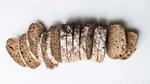
Most foods are processed, whether it is to make it safe or to make it more palatable. Here are some of the reasons why food is processed: To make food edible By peeling an orange, or shelling nuts these are examples of food processing. Staple foods like bread are made from raw grains that must first be processed into flour and then baked with other ingredients.
To preserve food
Yoghurt or cheese is an example of fermented milk while jam; marmalade or chutney is an example of preserved fruit. These are some of the oldest forms of processing to keep food fresher longer. Frozen vegetables, canned soups and shelf-stable milk are other modern examples of food preservation.
To make food more affordable
Processed foods are often made in bulk, which keeps production and ingredient costs down. This means that more people can have access to those items, like hearty vegetable soups
To offer convenience
When you are running late, processing allows for nutritious food to be prepared quickly and easily. Draining and rinsing canned beans to add to a meal or steaming frozen vegetables for an easy side dish and opening a jar of pasta sauce to help create a quick dinner are all examples.
To provide more choice
Most of our food choices would be based on seasonality and geography without processing. For example, rice and other grains are processed so they can be stored for anytime use.
To reduce food waste
Food wastage is a global problem each year, although frozen vegetables are a good example of how processing and proper storage can help reduce in-home food waste.